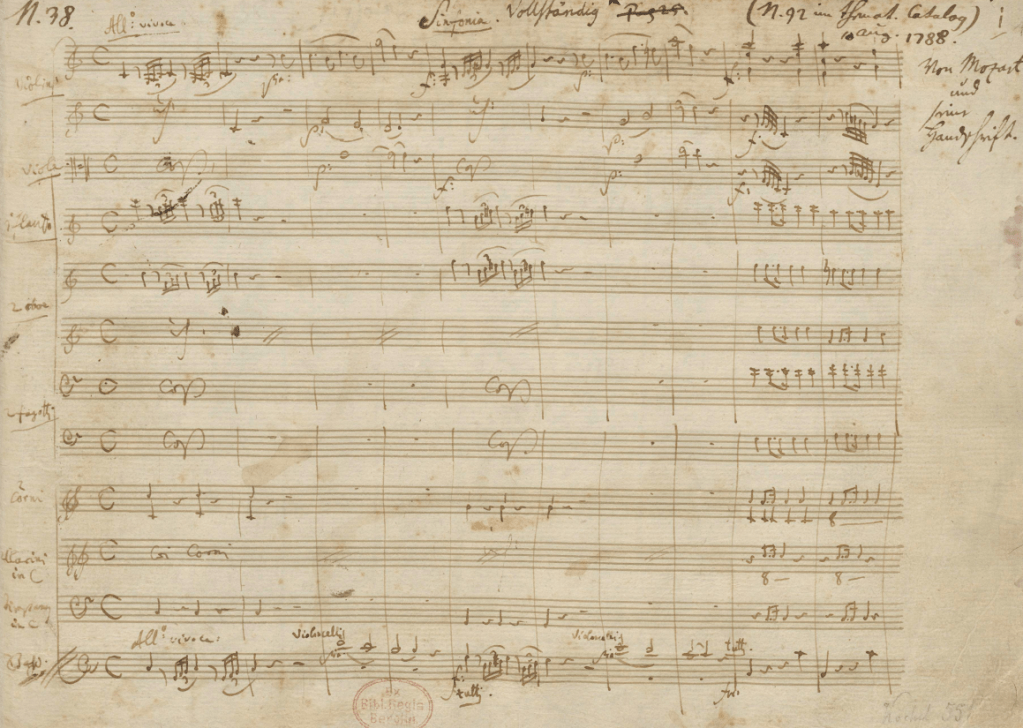
Autograph score in Mozart’s hand, dated 10 August 1788
Unlike symphonies by composers which are their ‘last’ and imply that death prevented them from writing another, Mozart wrote his set of three symphonies in 1788 – a good three years before death. Symphonies weren’t making him money, and so he didn’t write 42 onwards.
The last three can be seen as a set – a formal and grand opening in 39 (in E flat major), with 40 (in G minor) as a sort of elongated slow movement, and 41 (in C major) concluding the trio of works. This is particularly apt given that 40 and 41 do not have formal introductions as was common in the Classical symphony as you can see in the opening movements of:
1782: Mozart – Symphony 35 in D major ‘Haffner’ (which has a grand overture feel, but actually starts Allegro)
1783: Mozart – Symphony 36 in C major ‘Linz’
1783: Mozart – Symphony 37 in G major (which is actually Michael Haydn 25 but has an opening Adagio by Mozart in G major)
1786: Mozart – Symphony 38 in D major ‘Prague’
1788: Mozart – Symphony 39 in E flat major
1792: Haydn – Symphony 98 in E flat major
1793: Haydn – Symphony 99 in B flat major
1794: Haydn – Symphony 100 in G major ‘Military’
1794: Haydn – Symphony 101 in D major ‘Clock’
1794: Haydn – Symphony 102 in B flat major
179:5 Haydn – Symphony 103 in E flat major ‘Drumroll’
1795: Haydn – Symphony 104 in D major ‘London’
1801: Beethoven – Symphony 1 in C major (where Beethoven opens with ‘the wrong’ cadence)
1803: Beethoven – Symphony 2 in D major
(1805: Beethoven – Symphony 3 ‘Eroica’ is where he reduces the ‘grand introduction’ down to two chords).
1807: Beethoven – Symphony 4 in B flat major (possibly my favourite transition from an Adagio to Allegro ever)
The name Jupiter (after the largest planet, and the king of the Roman gods) most likely came from Johann Salomon (a German violinist, composer and conductor) who introduced Haydn to London, as well as working with Mozart and Beethoven, as a sign of how ‘great’ it is. Otherwise it’s possible it came from Johann Cramer, an English publisher, who said the opening moments of the symphony sounded like Jupiter/Zeus throwing thunderbolts.
The Jupiter Symphony is structured as you’d expect for a Classical symphony
First – a Sonata Form Allegro first movement
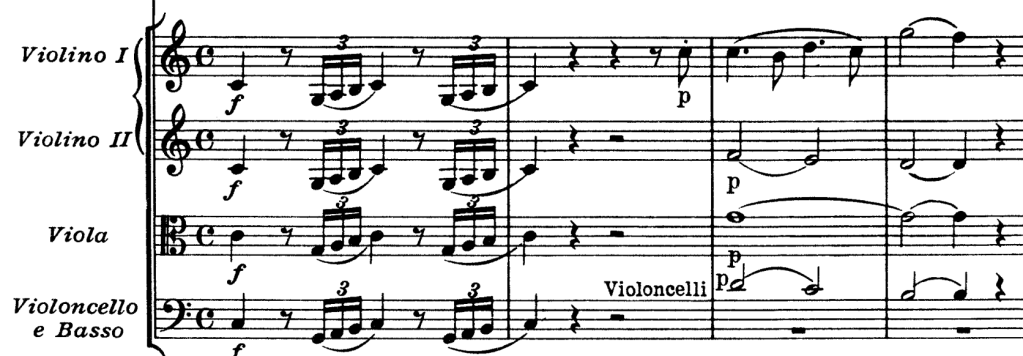
1st subject in typical Mozart style – Tonic established over two bars, with a quieter answering phrase for two bars, repeated in the Dominant, and then the movement gets underway.
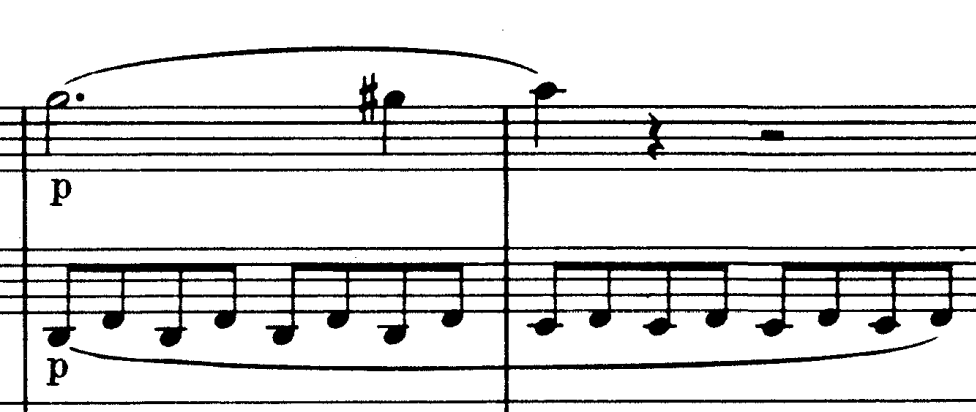
2nd subject: a rising chromatic figure
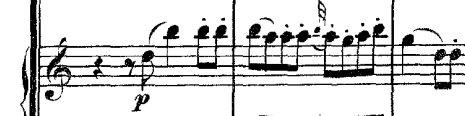
the codetta material is a jolly playful melody from a Mozart aria called ‘Un bacio di mano’):
The second movement (Andante cantabile) is a Sarabande in F major in Sonata Form
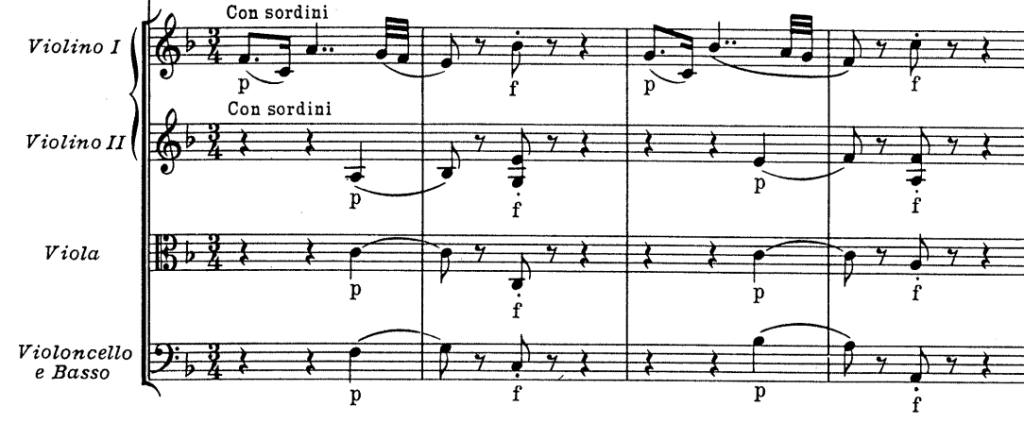
The third movement is the usual combination of Minuet and Trio (older listeners may recognise this due to the cover by The Wombles…). The trio starts with a perfect cadence (i.e. the ‘wrong’ chord), which echoes the opening chords of Beethoven’s Symphony No.1.
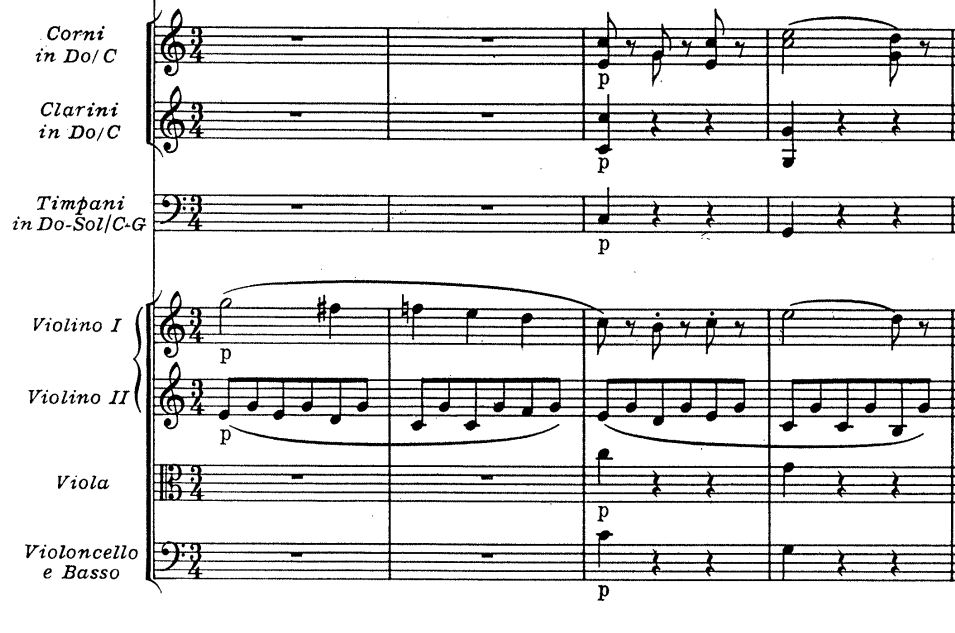
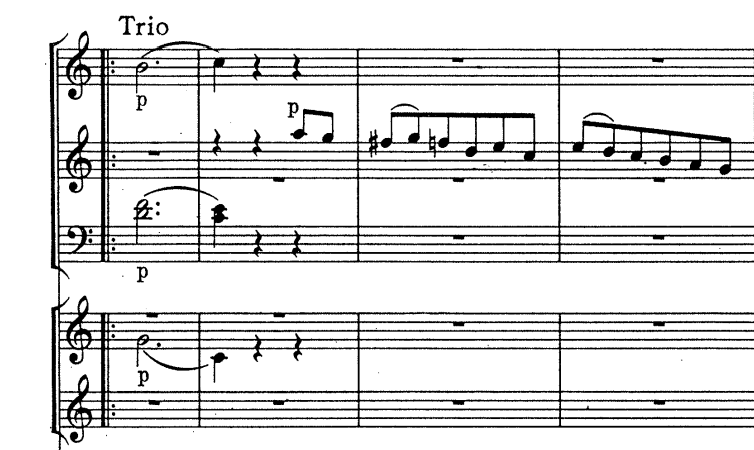
The fourth movement is a five-voice fugue and has five themes:
The four-note fugue subject based on Do-Re-Fa-Mi

A three-note minim pattern followed by a descending quaver pattern

A six-note rising scale of crotchet-crotchet-crotchet-dotted crotchet (with trill)-quaver-minim
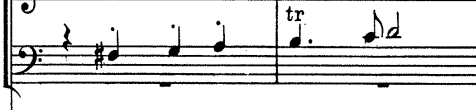
A figure of a military-style dotted crotchet-quaver-dotted minim followed by a descending quaver sequence

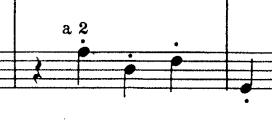
A four note descending disjunct figure
He may never have intended it to be his final symphonic work, but it is handled with such skill, inventiveness and joy that it’s not a bad final symphony at all.
 The Listening Project Blog